
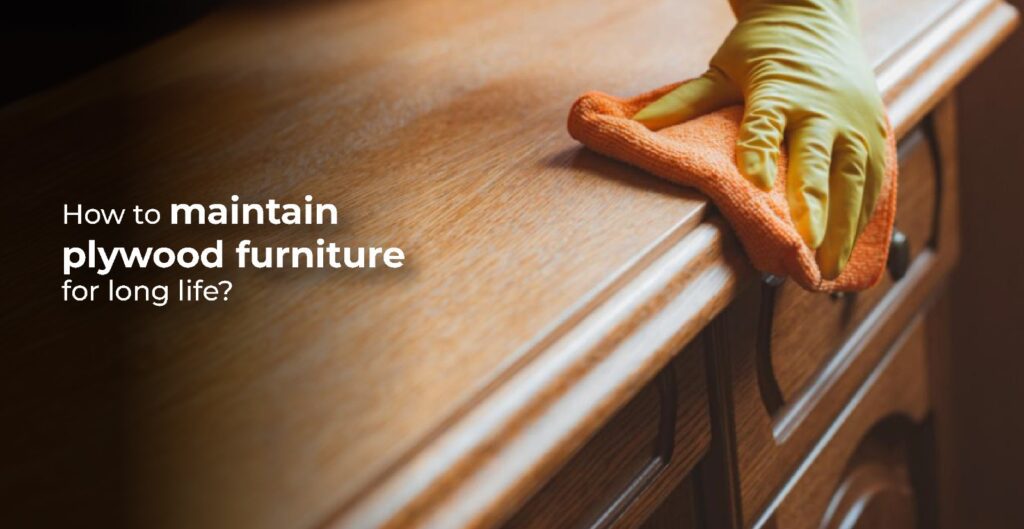
Plywood furniture is widely preferred in both homes and offices for its combination of strength, cost-effectiveness, and adaptability to various design needs. Whether it is a stylish wardrobe, a modular kitchen cabinet, or a cosy centre table, plywood adds both strength and elegance to interiors. However, like any other material, plywood furniture needs proper care to last long and continue to look good over the years.
Maintenance does not mean complicated routines or expensive treatments. With just a little attention and a few practical habits, you can extend the lifespan of your plywood furniture and keep it looking fresh and sturdy. Let us understand how you can take care of plywood furniture in a way that is both simple and effective.
Even though plywood is engineered to resist warping, cracking, and termites to a great extent, it is still made from wood. Over time, exposure to moisture, dust, heat, and everyday use can wear it down. Furniture used in high-touch areas such as the kitchen, living room, or bedroom often needs a bit more care compared to pieces placed in low-traffic areas.
Proper maintenance not only prevents visible damage but also protects the internal layers of the plywood, keeping the furniture strong from the inside out.
Make it a habit to wipe your plywood furniture daily using a soft, dry cloth. Microfiber cloths work well as they lift dust without scratching the surface. Removing dust regularly helps prevent buildup that can damage the finish.
One of the most important rules while cleaning plywood furniture is to avoid excess water. Never pour water directly on the surface. If required, use a slightly damp cloth to clean spills, and immediately dry the area with a dry cloth. Prolonged exposure to moisture can lead to swelling and weakening of the layers.
If there are stains, avoid using harsh chemicals. A few drops of mild liquid soap mixed with water can be used on a soft cloth. Do a patch test first, especially if the furniture has a laminate or veneer surface.
Long-term exposure to direct sunlight can cause fading, discolouration, or even warping in some cases. Try to place plywood furniture away from windows or use curtains and blinds to reduce direct sun exposure. If moving the furniture is not possible, consider using protective covers or applying UV-resistant polishes.
The moisture levels in your environment significantly influence how long your plywood furniture will last. Extremely humid environments can lead to moisture absorption, while dry air can cause the furniture to lose its natural balance. Try to maintain indoor humidity using ventilators or dehumidifiers if needed.
Place heat-protective items like trivets, mats, or coasters under hot dishes and appliances to shield plywood surfaces from thermal damage. Direct heat can leave permanent marks, cause the polish to bubble, or damage the top layer.
When moving plywood furniture or items kept on top of it, always lift and place instead of dragging. Pulling or sliding furniture can strain its joints and cause chips or scratches along the edges and finish. Furniture with wheels or sliders makes movement easier and safer.
Each plywood furniture piece is built to carry a specific weight. Do not exceed the weight capacity of shelves, drawers, or tables, as it can lead to structural strain or eventual breakage. Over time, heavy loads can cause sagging or cracking of the panels.
If you have young children at home, child-proof your plywood furniture to prevent rough use. Install corner guards, keep drawing surfaces like tables covered when not in use, and lock storage cabinets to prevent damage from misuse.
During the rainy season, furniture is more likely to absorb moisture from the air. Keep furniture slightly away from the walls to allow air circulation. Use camphor or silica gel pouches inside cupboards and drawers to absorb excess moisture.
In hot summers, plywood furniture can dry out and crack if not cared for. Apply a protective polish coat every year to maintain the top layer. Keep the furniture clean, and do not let sweat or water rings settle on surfaces.
During winters, doors and drawers made from plywood may shrink slightly. Avoid forcing them open or closed. Regular use and mild polishing help maintain flexibility during colder months.
Even the best-maintained furniture will lose its shine over time. If you notice dullness, minor scratches, or a rough feel to the surface, it may be time to polish. To refresh the aesthetic appeal, you may also explore plywood finishes for your furniture and provide long-lasting surface protection. Depending on the type of finish (laminate, veneer, or painted surface), you can either use a furniture polish spray or go for professional refinishing.
Refrain from sanding plywood furniture unless you are certain of the surface material—since veneer or laminate layers are quite delicate, aggressive sanding may ruin the finish entirely.
While plywood is usually treated to deter termites and borers, it’s smart to take extra precautions in areas prone to pest infestations.
For safety, always check for loose hinges, handles, and sharp edges. Tighten fittings when necessary, and avoid leaving damaged parts unattended.
Taking care of plywood furniture is not a task that requires complex effort or expertise. It is about forming simple habits and being aware of how environmental and daily usage factors affect it. With just a little consistency, your furniture can remain strong, functional, and beautiful for years to come.
Whether it is a simple bedside table or an elaborate modular wardrobe, every piece deserves the right attention to serve its purpose well and continue adding charm to your space.
Maintaining plywood furniture doesn’t require complicated steps—just a little attention, the right cleaning habits, and timely care can go a long way. However, the foundation of long-lasting furniture lies in choosing the right plywood in the first place. If you’re beginning your furnishing journey, make sure you know how to identify the best plywood for furniture to ensure durability and performance. And when it’s time for a visual refresh, the right finish can make all the difference. For plywood that blends strength, quality, and style—SharonPly is a name you can trust.








Users understand that SHARONPLY is committed to protecting the User’s privacy and shall take all efforts to protect any personal data provided to the Website by reasonable security safeguards against such risks as loss or unauthorised use, destruction, modification or disclosure of data, However, in case of any lapse, SHARONPLY shall not be held responsible for any effect or consequences thereof. The Website uses cookies to track usage of the path of the User. Since most web browsers automatically accept cookies, User can edit User’s browser options to block them if User does not want the Website to use cookies to track usage of the path of the User.
SHARONPLY undertakes not to disclose, except as otherwise provided, the personal information provided by the User to any person, unless such action is necessary to: –
By filling up any form on the Website User automatically grants SHARONPLY a royalty-free, perpetual, irrevocable non-exclusive license to use, reproduce, publish, edit, distribute, and publicly display the information given in the form and to sublicense such rights.
Any queries regarding the SHARONPLY’s privacy policy, may be sent to admin@sharonply.com.